Heartworm Prevention Guide: Protecting Your Dog in 2026

Heartworm disease is a serious and potentially fatal condition caused by parasitic worms transmitted through mosquito bites. Once inside the body, heartworms grow and live in the heart, lungs, and surrounding blood vessels, leading to long-term organ damage. In severe cases, the disease can be fatal if left untreated.
One of the most dangerous aspects of heartworm disease is that many dogs show no visible symptoms until the infection is advanced. By the time signs appear, treatment is more complex, costly, and risky. This is why veterinarians universally agree: prevention is far safer than treatment.
Why Heartworm Prevention Is Essential in 2026?
Mosquito populations continue to expand due to climate change, urbanization, and shifting weather patterns. As a result, heartworm disease is now present in regions once considered low-risk — including cooler and urban environments.
Key reasons year-round prevention is recommended:
- Indoor dogs are still exposed to mosquitoes
- Preventatives are highly effective when given consistently
- Treating heartworm disease can cost 10–20× more than prevention
- Treatment carries risks, including strict activity restriction
Veterinarians now recommend monthly, year-round heartworm prevention for all dogs, regardless of location.
How Heartworm Preventatives Actually Work?
Heartworm preventatives do not kill adult heartworms. Instead, they work by eliminating immature larvae that dogs may have been exposed to in the previous month.
This is why:
- Monthly dosing is critical
- Missing doses increases risk
- Dogs should be tested for heartworm before starting prevention, especially if protection has lapsed
Comparing Top Heartworm Preventatives
Choosing the right preventative depends on your dog’s health, lifestyle, and potential exposure to other parasites. Here’s a breakdown of the three most popular options in 2025:
1. Revolution (Selamectin)
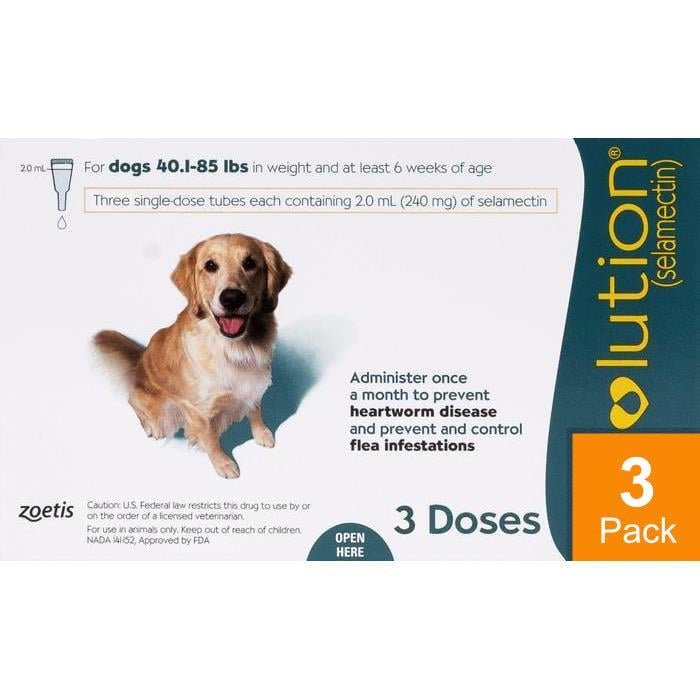
Form: Monthly topical solution
Protects Against:
- Heartworms
- Fleas
- Ear mites
- Sarcoptic mange
- Certain external parasites
Best For:
Dogs needing combined internal and external parasite protection, especially those who do not tolerate oral medications.
Key Considerations:
Applied to the skin; effectiveness depends on proper application and avoiding bathing for a short period after use.
2. Heartgard Plus (Ivermectin & Pyrantel)

Form: Monthly chewable tablet
Protects Against:
- Heartworms
- Roundworms
- Hookworms
Best For:
Dogs that prefer treat-style oral medication and primarily need heartworm and basic intestinal parasite protection.
Key Considerations:
Does not protect against fleas or ticks; may need to be paired with a separate flea/tick product.
3. Interceptor Plus (Milbemycin Oxime & Praziquantel)
Form: Monthly chewable tablet
Protects Against:
- Heartworms
- Roundworms
- Hookworms
- Whipworms
- Tapeworms
Best For:
Dogs with higher exposure risk, multi-dog households, or those frequently outdoors.
Key Considerations:
Provides the broadest internal parasite coverage but does not address fleas or ticks.
How to Choose the Right Heartworm Preventative
When deciding, consider:
- Your dog’s age, size, and health history
- Exposure to fleas, ticks, or other dogs
- Whether your dog prefers topical or oral medication
- Your veterinarian’s recommendation
- Whether you want single-purpose or combination protection
There is no “one-size-fits-all” option. The best choice is the one that fits your dog’s real-world needs.
Final Thoughts
Heartworm prevention remains one of the most important steps in protecting your dog’s long-term health. In 2026, safe and effective options like Revolution, Heartgard Plus, and Interceptor Plus make prevention straightforward and affordable.
Before starting or switching preventatives:
- Ensure your dog is heartworm-tested
- Commit to consistent monthly dosing
- Consult your veterinarian for personalized guidance
A simple monthly habit can save your dog from a life-threatening disease, and give you peace of mind all year long.
Heartworm Prevention FAQs
1. When should my dog start heartworm prevention?
Most veterinarians recommend starting heartworm preventatives at 8 weeks of age. If your dog is older and has never been on prevention before, your vet will likely want to perform a blood test first to ensure they aren’t already infected.
2. Why does my dog need a heartworm test before starting medication?
Heartworm tests check for adult worms or microfilariae in the bloodstream. Giving preventatives to a dog already infected with adult heartworms can cause severe reactions, and in some cases life-threatening. Testing ensures it’s safe to begin prevention.
3. Do heartworm preventatives work 100% of the time?
No preventive is perfect. Most medications are highly effective when given correctly, but factors like missed doses, vomiting or topical medication washing off can reduce protection. That’s why year-round prevention and annual testing are recommended.
4. Should my dog stay on heartworm prevention year-round?
Yes. Dogs can be bitten by infected mosquitoes even in cooler months or indoors. The American Heartworm Society recommends year-round prevention regardless of climate.
5. What happens if I miss a dose?
Missing a monthly dose can leave your dog vulnerable to infection. If you miss a dose, talk to your vet — they may recommend testing and restarting the schedule to protect your dog.
6. Do dogs still need annual heartworm testing if they’re on prevention?
Yes. Even well-managed prevention programs can fail occasionally, and early infections are often symptom-free. Annual testing helps verify that your dog is truly protected.
7. Can heartworm prevention protect against other parasites?
Many preventatives also cover intestinal worms (like roundworms, hookworms, whipworms) and, in some products, external parasites like fleas and ticks, but not all do. Check labels or ask your vet about combined protection.
8. Do indoor dogs need heartworm prevention?
Yes. Mosquitoes can enter homes and transmit heartworms, so indoor dogs are still at risk and should be protected year-round.
9. Can humans or other pets get heartworms from my dog?
Dogs cannot directly transmit heartworms to people or other pets, the parasite must go through a mosquito first. Rarely, humans bitten by infected mosquitoes can have larvae enter tissue, but they do not mature into adult worms in people.
10. Is heartworm treatment difficult or expensive?
Yes. Treating established heartworm disease involves intensive veterinary care, injections, blood tests, rest periods, and monitoring. It’s generally much more expensive and risky than prevention.